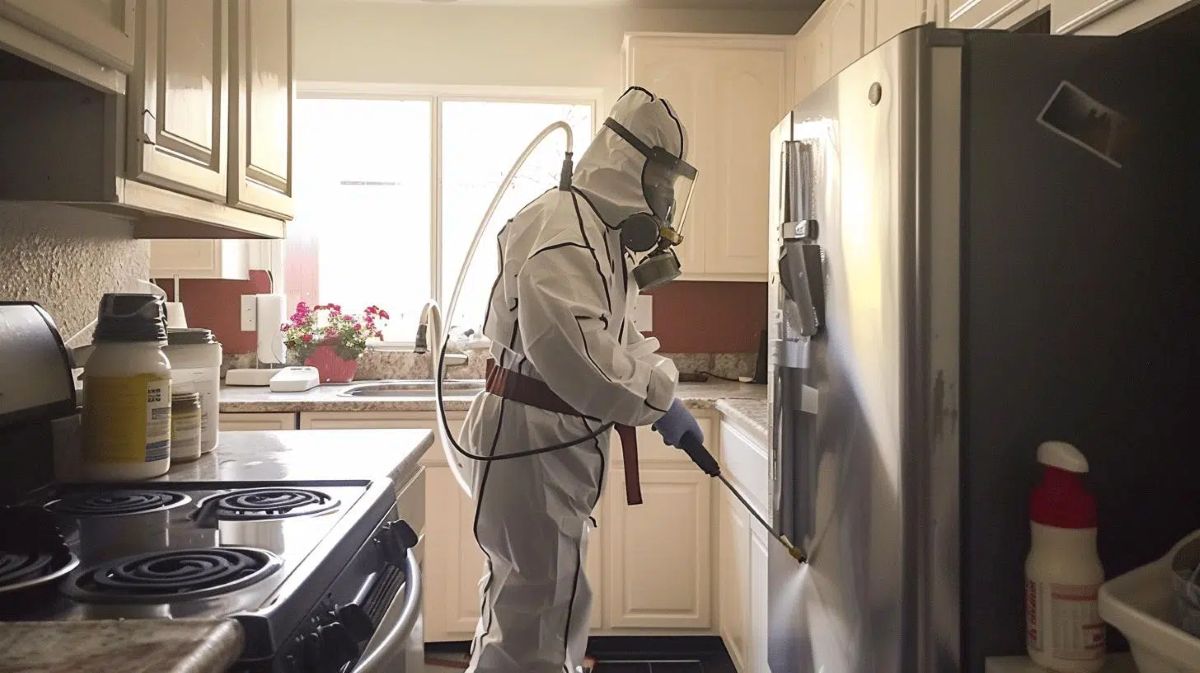

What Are Professional Sydney Pest Inspections and Why Are They Important?
Professional Sydney pest inspections are thorough visual checks carried out by qualified technicians to find signs of termite activity, damage to timber, and factors that attract pests that destroy wood to your property. These inspections serve as a crucial “health check” for homes, spotting threats before they lead to significant structural harm.
The Purpose of Termite Inspections
Termite inspections Sydney and timber pest inspections have two main goals:
- Protecting the market value of your property
- Preserving its structural integrity
Every year, termites cause millions of pounds in damage to homes in Australia. They often operate quietly within walls, floors, and roof spaces for months or even years without being noticed. A single colony can consume several kilograms of timber each week, putting load-bearing structures at risk and creating unsafe living conditions.
What You Can Expect from Professional Sydney Pest Inspections
Everything included in professional Sydney pest inspections follows the Australian Standards AS3660 for managing termites. This standardised approach guarantees thorough and consistent examinations throughout the industry.
Qualified inspectors use this framework to:
- Assess the risk of termite infestation
- Identify existing infestations
- Recommend suitable management strategies tailored to the specific weaknesses of your property
Why Regular Inspections Are Necessary in Sydney
Sydney’s warm and humid climate provides perfect conditions for termite colonies to thrive all year round. The city experiences particularly high levels of termite activity, making it crucial to have regular professional inspections instead of just leaving it as an option.
Properties located near bushland, waterways, or areas with poor drainage are at a higher risk of termite infestation.
How Inspectors Carry Out Their Work
The inspection process combines the expertise of inspectors with advanced detection technology. Inspectors carefully examine both obvious and hidden areas where termites usually enter or build their nests.
This proactive approach allows us to catch problems early on when treatment costs are still manageable and structural damage is minimal.
What Areas Are Covered During a Professional Sydney Pest Inspection?
Professional pest inspectors examine every accessible part of your property, from the interior living spaces to the external boundaries. Licensed technicians conduct thorough pest inspection Sydney protocols that leave no potential hiding spot unchecked.
Interior Spaces and Accessible Rooms
Inspectors systematically check all interior rooms where termites might gain entry or cause damage. This includes living areas, bedrooms, bathrooms, kitchens, and laundry spaces. Garages receive particular attention as they often contain timber framing and stored materials that attract pests. Built-in wardrobes, cupboards, and other accessible storage areas fall within the inspection scope, though inspectors won’t move heavy furniture or appliances during standard assessments.
Sub-Floor Spaces
The sub-floor inspection component targets one of the most vulnerable areas for termite activity. Inspectors crawl through accessible sub-floor spaces to examine floor joists, bearers, stumps, and foundation walls. These dark, often damp environments provide ideal conditions for termite colonies. Technicians look for mud tubes, damaged timber, and moisture problems that could facilitate infestations. Properties without accessible sub-floor entry points may require alternative inspection methods or recommendations for creating access.
Roof Void Examination
A comprehensive roof void inspection checks the upper reaches of your property where termites often establish secondary nests. Inspectors access roof spaces through manhole entries to examine roof timbers, trusses, and wall frames. They identify any signs of termite activity, water damage, or inadequate ventilation. Roof voids with limited clearance or unsafe conditions may restrict full inspection, which the technician will note in their report.
External Perimeter Assessment
The property’s exterior receives meticulous examination extending 30 metres from the main building. Inspectors walk the entire perimeter checking:
- Foundation walls and weep holes
- External cladding and timber features
- Garden beds adjacent to the structure
- Retaining walls and landscaping timbers
- Drainage systems and downpipes
Outbuildings and Yard Structures
Detached structures within the inspection zone undergo the same scrutiny as the main dwelling. Sheds, carports.
What Do Inspectors Look For in a Sydney Pest Inspection?
Professional inspectors search for three main areas of concern: signs of active termite activity, weaknesses in the structure, and signs of other organisms that destroy wood. The inspection aims to find both existing infestations and conditions that could cause future pest problems.
Active Termite Activity and Damage Evidence
Inspectors thoroughly examine every accessible surface for mud shelter tubes, which termites build to move between soil and timber. These narrow tunnels usually appear on foundation walls, pier supports, and around plumbing penetrations. Fresh tubes with moist mud indicate current activity, while dried, crumbling tubes suggest past infestations.
To detect timber damage, inspectors use specialised tools to probe wooden structures and identify:
- Hollow-sounding timber when tapped
- Soft or crumbling wood that gives way under pressure
- Blistering or bubbling paint surfaces
- Discarded termite wings near windowsills or door frames
- Frass (termite droppings) resembling fine sawdust or coffee grounds
Inspectors pay special attention to areas where timber comes into contact with soil, as these provide direct entry points for termites. Subterranean termites, the most destructive species in Sydney, need soil contact to maintain their moisture levels.
Building Faults and Environmental Risk Factors
Assessing building faults is a crucial part of professional inspections. Technicians identify structural weaknesses and environmental conditions that create favourable habitats for termite colonisation.
Moisture-related issues receive close examination:
- Leaking pipes or taps creating damp conditions
- Poor drainage causing water pooling near foundations
- Blocked or damaged guttering directing water against walls
- Rising damp in brick or concrete structures
- Inadequate ventilation in subfloor areas
Construction defects that allow termites to enter include:
- Cracks in concrete slabs or foundation walls
- Gaps around plumbing or electrical conduits
- Timber in direct contact with soil
- Missing or damaged termite barriers
- Insufficient clearance between ground level and timber framing
Inspectors document these vulnerabilities as they weaken the property’s defences against termite invasion. Dense vegetation touching external walls, stored timber or firewood against the house, and poorly maintained landscaping can also increase the risk of termite attacks.
Other Resources : Plant pests and diseases
How Do Professionals Conduct the Inspection Process?
Professional pest inspectors carry out a systematic visual pest inspection process that focuses on areas that are easy to access without causing any disruption to your home. Licensed technicians carefully examine all visible surfaces, structural elements, and potential entry points while being respectful of your property—heavy furniture, appliances, and stored items will not be moved unless you specifically ask for an invasive inspection that involves accessing the structure.
Standard Non-Invasive Inspection Methods
The typical inspection follows non-invasive inspection methods that maintain the integrity of your property. Inspectors work methodically through each accessible room, examining:
- Skirting boards and architraves for mud tunnels or damage
- Window and door frames for signs of termite entry
- Wall surfaces for hollow sounds or visual irregularities
- Exposed timber in garages, sheds, and storage areas
- Accessible sub-floor spaces via existing entry points
- Roof voids through manhole access
Inspectors never force entry into sealed areas or move belongings that could cause damage. This approach forms part of Everything Included in Professional Sydney Pest Inspections as standard practice.
Advanced Termite Detection Tools Used by Sydney Professionals
Modern termite detection tools used by Sydney inspectors go beyond just visual examination. These advanced instruments can detect hidden activity that the naked eye cannot see:
- Moisture meters: These devices measure the moisture levels in timber and wall cavities, helping to identify damp conditions that attract termites. If the readings are above 15-20%, it indicates potential problems that need further investigation.
- Thermal imaging cameras: These cameras can detect temperature variations in walls and floors. Active termite colonies generate heat, which appears as warm spots on thermal scans. Additionally, these cameras can also identify moisture intrusion behind surfaces.
- Tapping devices (dongers): When struck against timber, these devices produce acoustic feedback. Solid wood creates a sharp sound, while termite-damaged timber produces a hollow, dull thud indicating internal destruction.
- Termite motion detectors: Using either radar or acoustic technology, these devices can identify live termite movement within walls and timber structures. This helps confirm whether there is an active infestation or old, inactive damage.
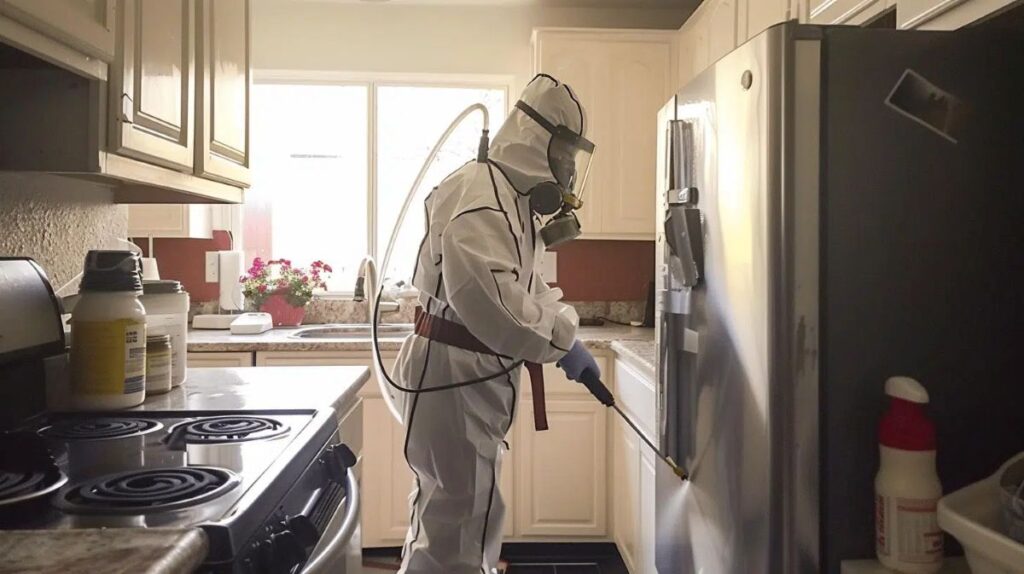
How Detection Equipment Uncovers Hidden Problems
Each tool has its own specific purpose in diagnosing concealed threats:
- Thermal cameras: These cameras scan entire sections of walls in minutes, highlighting any temperature anomalies that require closer inspection.
- Moisture meters: By measuring moisture levels in timber and wall cavities, these meters can help identify areas that are conducive to termite activity.
- Tapping devices: When used on timber surfaces, these devices can reveal whether there is any internal destruction caused by termites.
- Termite motion detectors: By detecting live termite movement within walls and timber structures, these devices can confirm the presence of an active infestation.
This combination of advanced tools allows inspectors to uncover hidden problems that may not be immediately visible during a visual inspection alone.
What Does the Pest Inspection Report Include?
A pest inspection report Sydney provides a comprehensive written record of all findings discovered during the examination. Licensed inspectors deliver multi-page documents that detail every aspect of the property’s condition, complete with photographic evidence of termite activity, damage locations, and risk factors.
The report begins with property identification details and inspection scope, followed by detailed findings organised by location. Each section includes:
- Termite presence documentation – Clear identification of active termite colonies, species type, and exact locations where activity was detected
- Damage assessment – Photographic evidence showing the extent of timber damage, including structural members, flooring, wall frames, and roof timbers
- Construction fault identification – Documentation of building defects such as timber-to-ground contact, inadequate ventilation, or poor drainage that creates favourable conditions for pest entry
The termite damage report section maps out affected areas using floor plans and annotated photographs. Inspectors note whether damage is superficial or has compromised structural integrity, helping property owners understand the severity of the situation. Each photograph includes captions explaining what the image shows and why it matters.
Existing termite management systems receive thorough evaluation in the report. Inspectors document:
- Chemical barrier locations and installation dates
- Baiting station positions and monitoring results
- Physical barriers and their current condition
- Any gaps or breaches in existing protection systems
The risk assessment pest inspection component ranks the property’s vulnerability to future infestations. Inspectors assign risk ratings based on environmental factors, construction type, nearby vegetation, and soil conditions. Properties near bushland or with high moisture levels typically receive higher risk ratings.
Treatment recommendations form the most actionable part of the report. Inspectors provide specific, prioritised suggestions for addressing active infestations and preventing future attacks. These recommendations include:
- Immediate actions – Urgent treatments required for active termite colonies
- Remedial works – Building repairs needed to eliminate conducive conditions
- Preventative measures – Installation or upgrade of termite management systems
- Maintenance advice – Ongoing monitoring and property management strategies
Cost estimates for recommended treatments often accompany these suggestions, allowing property owners to budget for necessary work. The report clearly distinguishes between essential treatments and optional prevent
How Long Does a Professional Sydney Pest Inspection Take?
Most professional pest inspections in Sydney take between 1.5 to 2 hours for an average-sized home. This timeframe allows licensed technicians to conduct a thorough visual examination of all accessible areas whilst using specialised detection equipment to identify potential pest activity.
The pest inspection duration Sydney properties require depends on several key variables that can extend or reduce this standard timeframe. A compact flat or townhouse may only need 60 to 90 minutes, whilst larger properties with multiple storeys, extensive grounds, or numerous outbuildings can require 3 hours or more.
What Influences the Inspection Duration?
Property size stands as the primary factor affecting how long inspectors need on-site. A three-bedroom house with a standard block requires less time than a five-bedroom home on acreage with multiple sheds, carports, and extensive landscaping within the 30-metre inspection zone.
Accessibility challenges significantly impact the average home pest inspection time. Properties with restricted sub-floor access, difficult-to-reach roof voids, or cluttered storage areas demand additional time for safe navigation and proper examination. Inspectors must carefully manoeuvre through tight spaces whilst operating detection equipment.
Property age and construction type also affect inspection length. Older homes often display more complex structural modifications, previous pest damage, or outdated building methods that require closer scrutiny. Multi-level properties with split designs need more time than single-storey homes with straightforward layouts.
The presence of active infestations extends inspection time considerably. When technicians discover live termite activity, they must trace the extent of the colony, identify entry points, and assess damage levels across multiple areas. This detailed investigation ensures accurate reporting and appropriate treatment recommendations.
Environmental conditions around the property play a role in timing. Dense vegetation, numerous trees, extensive garden beds, or water features near the building perimeter require careful examination as these create favourable termite habitats. Properties backing onto bushland or with significant timber landscaping features need more thorough external assessments.
Can Inspections Be Completed Faster?
Rushed inspections compromise quality and may miss critical pest activity. Licensed technicians follow Australian Standards AS3660, which mandates comprehensive examination protocols that
Why Are Regular Annual Pest Inspections Recommended in Sydney?
Sydney’s warm, humid climate creates ideal breeding conditions for termites, making the region one of Australia’s highest-risk areas for termite activity. Annual termite inspections Sydney properties require aren’t just recommended—they’re essential protection against silent structural devastation that can cost tens of thousands in repairs.
The termite pressure Sydney region experiences stems from multiple factors: consistent moisture levels, mild winters that don’t kill off colonies, and dense urban development that forces termites to seek new food sources in residential properties. Subterranean termites, the most destructive species in the area, can travel up to 100 metres from their nest and consume timber 24 hours a day without visible external signs.
What Makes Annual Inspections Critical for Sydney Homes?
Termites work quickly and discreetly. A colony can cause significant structural damage within three to six months of establishing themselves in your property. Without regular pest checks benefits become immediately apparent—inspectors catch infestations during early stages when treatment costs remain minimal and damage stays superficial.
Properties with previous termite activity face even higher risk. Termites leave pheromone trails that attract future colonies, and damaged timber becomes more susceptible to re-infestation. Annual inspections monitor these vulnerable areas and verify that previous treatments remain effective.
How Do Regular Inspections Protect Your Investment?
The average termite damage repair in Sydney ranges from £7,000 to £15,000, with severe cases exceeding £50,000. Annual inspections typically cost between £200 and £350—a fraction of potential repair expenses. This preventative approach identifies:
- Moisture problems that attract termites before colonies establish
- Structural vulnerabilities in foundations, walls, and timber frames
- Environmental changes like new garden beds or irrigation systems near the house
- Deteriorating termite barriers that need maintenance or replacement
Insurance policies rarely cover termite damage, classifying it as preventable maintenance rather than sudden accidental damage. Documentation from annual inspections demonstrates due diligence, which can prove valuable if disputes arise during property sales or insurance claims.
What Happens Between Inspection Intervals?
Twelve months provides ample time for termite colonies.
What Treatment Options Are Available Following an Inspection?
Termite treatment options Sydney professionals recommend depend on the severity and location of the infestation discovered during inspection. Licensed technicians tailor their approach based on whether they’re addressing an active colony or implementing preventative measures for long-term protection.
Chemical Barrier Treatments
Chemical barriers termites cannot penetrate provide one of the most established protection methods. Technicians apply liquid termiticides around the property’s perimeter, creating a treated zone in the soil that either repels or eliminates termites attempting to enter the structure. This treatment involves:
- Trenching around the building’s foundation
- Drilling through concrete slabs or pathways
- Injecting termiticide into the soil at regular intervals
- Treating areas where utilities enter the building
The chemical barrier typically lasts 5-8 years depending on soil conditions and the specific product used. Modern termiticides are designed to be low-toxicity whilst remaining highly effective against termite colonies.
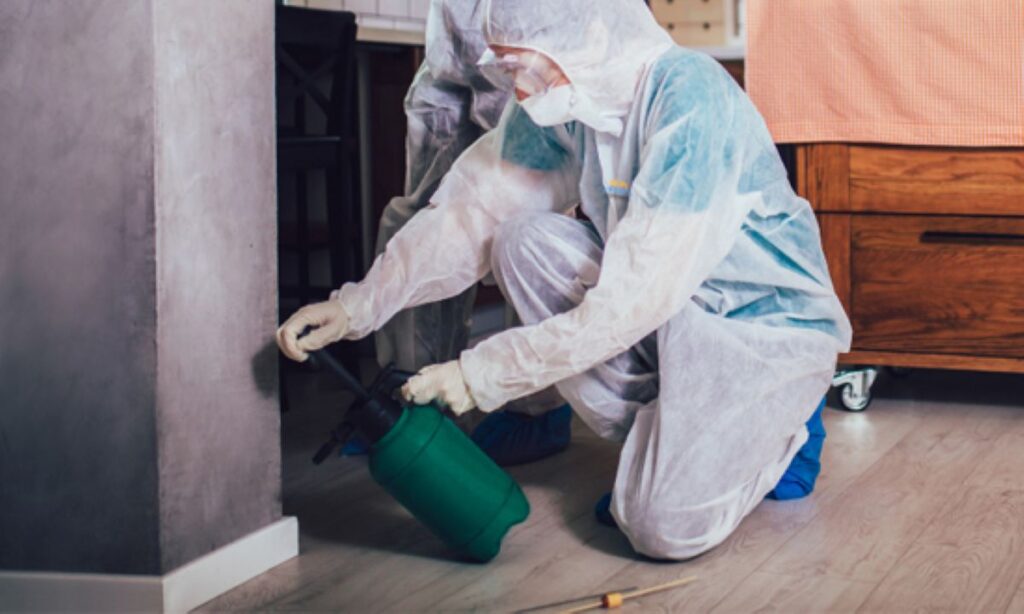
Baiting System Installation
Baiting systems termites prevention strategies work differently from chemical barriers. These systems use monitoring stations placed around the property containing timber or cellulose material that attracts foraging termites. Once termites discover the stations, technicians replace the monitors with bait containing slow-acting insect growth regulators.
The advantages of baiting systems include:
- Minimal disruption to landscaping
- Targeted elimination of entire colonies
- Environmentally sensitive application
- Ongoing monitoring capabilities
Termites consume the bait and share it with colony members through their natural feeding behaviours, gradually eliminating the entire population including the queen.
Direct Treatment for Active Infestations
When inspectors locate active termite presence within the structure, immediate targeted treatment becomes necessary. Technicians may use:
- Foam treatments injected directly into wall cavities where termites are feeding
- Dust applications applied to termite galleries and workings
- Direct spray treatments for accessible infestations in timber
These methods deliver insecticide directly to the termite colony, providing rapid knockdown of active infestations whilst the broader protection strategy is implemented.
Preventative Measures Homeowners Can Implement
Inspection reports often include recommendations for reducing termite attraction and access points around properties. Homeowners can take proactive steps such as:
- Sealing cracks and crevices in foundations, walls, and roofs
- Storing firewood away from the house and elevated off the ground
- Maintaining proper drainage systems to prevent moisture build-up
- Regularly inspecting wooden structures like decks or fences for signs of damage
By implementing these measures alongside professional treatments, homeowners can significantly reduce their risk of future infestations. You may like to visit https://home-sol.com/before-you-buy-why-you-need-a-detailed-pest-inspection-sydney/ to get more about detailed pest inspection Sydney.
How to Choose a Reliable Pest Inspector in Sydney?
Choosing reliable pest inspector Sydney services requires verifying that technicians hold current licences and insurance coverage. Licensed inspectors must complete formal training in termite biology, detection methods, and Australian Standards AS3660 compliance, ensuring they possess the technical knowledge to identify subtle signs of infestation that untrained eyes might miss.
What qualifications should pest inspectors have?
Legitimate pest inspectors carry certification from recognised industry bodies and maintain active licences issued by NSW Fair Trading. These credentials demonstrate completion of accredited courses covering termite behaviour, building construction, chemical handling, and inspection protocols. Experienced inspectors typically have several years of field work, having encountered diverse property types and infestation scenarios that sharpen their diagnostic abilities.
Why do client reviews matter when selecting an inspector?
Previous client reviews reveal patterns in service quality, communication standards, and report accuracy. Reviews on Google, ProductReview, and local business directories provide unfiltered feedback about inspector punctuality, thoroughness, and professionalism. Pay attention to comments about report clarity, whether inspectors explained findings in understandable terms, and how they handled follow-up questions.
Should you request references before booking?
Reputable pest inspection companies willingly provide references from recent clients, particularly for larger or complex properties similar to yours. Speaking directly with past customers allows you to ask specific questions about the inspector’s attention to detail, whether they identified issues other inspectors missed, and if their recommendations proved accurate and cost-effective.
How many quotes should you obtain?
Obtaining three to four quotes establishes a realistic price range for professional inspections in your area. Suspiciously low quotes often indicate rushed inspections, outdated equipment, or incomplete reporting. Compare what each quote includes—some inspectors charge extra for roof void access or thermal imaging, while others bundle these services. Request itemised quotes showing exactly what areas and services the inspection covers.
What role does intuition play in your decision?
Your initial interactions with pest inspection companies signal their customer service approach and reliability. Inspectors who answer questions thoroughly, explain their process clearly, and respond promptly to enquiries typically deliver the same professionalism during inspections. Companies that pressure you into immediate bookings, provide vague answers about their methods, or lack proper documentation raise red flags regarding their trustworthiness.
Conclusion
Professional pest checks protect your most valuable asset from devastating termite damage. Licensed technicians following Australian Standards AS3660 deliver the thorough examination your property deserves, using advanced detection equipment and systematic inspection protocols.
Everything Included in Professional Sydney Pest Inspections provides homeowners with peace of mind through detailed reporting, expert analysis, and actionable recommendations. The comprehensive Sydney pest inspections summary reveals not just current infestations but potential vulnerabilities that could lead to future problems.
Sydney’s high termite pressure demands vigilance. Annual inspections by qualified professionals create an early warning system that saves thousands in potential repair costs. The modest investment in regular pest checks pales in comparison to the structural damage termites can inflict within months.
Your home’s protection starts with choosing the right inspector. Licensed, insured technicians equipped with thermal imaging cameras, moisture meters, and years of experience spot warning signs invisible to untrained eyes. They understand local pest behaviour patterns and environmental factors unique to Sydney properties.
Don’t wait for visible damage to appear. Termites work silently behind walls, under floors, and within roof spaces. By the time you notice problems, significant structural compromise may already exist. Schedule your professional pest inspection today and safeguard your property’s value and structural integrity for years to come.
The importance of professional pest checks cannot be overstated—they represent essential maintenance for any Sydney property owner committed to protecting their investment.
FAQs (Frequently Asked Questions)
What are professional Sydney pest inspections and why are they important?
Professional Sydney pest inspections are thorough evaluations conducted by licensed technicians to identify termite activity, timber pests, and other infestations. They are crucial for protecting property value and structural integrity, adhering to Australian Standards AS3660 for termite management.
Which areas are covered during a professional Sydney pest inspection?
Inspections cover interior spaces such as garages and accessible rooms, sub-floor areas, roof voids if accessible, and external perimeters including yards within 30 meters, trees, fences, sheds, and carports to ensure comprehensive pest detection.
What do inspectors look for during a Sydney pest inspection?
Inspectors search for active termites or evidence of past damage, timber damage from borers or fungal decay, building faults like moisture leaks that attract pests, and assess environmental factors posing pest risks.
How is the professional Sydney pest inspection process conducted?
The process involves a visual inspection of accessible areas without moving heavy furniture unless invasive inspection is requested. Advanced tools such as moisture meters, thermal imaging cameras, tapping devices (dongers), and termite motion detectors aid in detecting hidden termite activity and moisture issues.
What information does the pest inspection report include?
Reports provide detailed multi-page documentation with photos outlining termite presence and damage extent, construction faults, existing termite management systems, and clear recommendations for treatment plans to eliminate infestations and prevent future attacks.
Why are regular annual pest inspections recommended in Sydney?
Due to high termite pressure in the Sydney region, scheduling yearly inspections enables early detection of infestations. This proactive approach helps avoid costly structural damage by ensuring timely treatment and ongoing protection.