
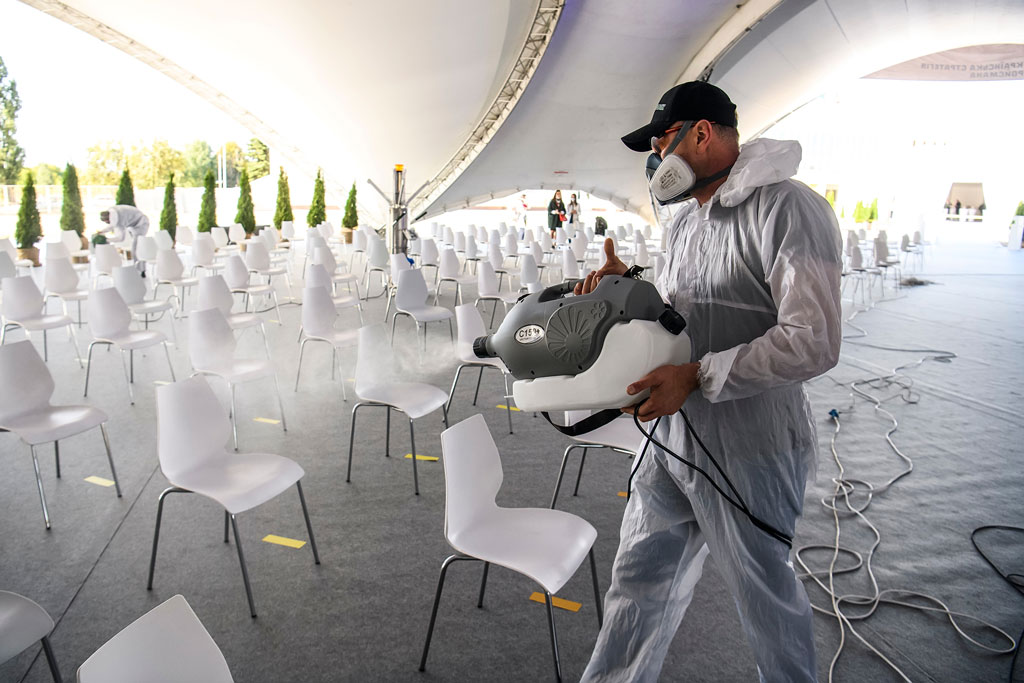
The exact scope depends on the venue, the crowd size, food and beverage service, and how tight the turnaround is before the next booking.
What do event cleaning services do before an event?
Before guests arrive, they aim to make the space look spotless and “ready for photos” while reducing slip hazards and hygiene risks. They usually follow a checklist agreed with the organizer and venue manager.
For event cleaning services, this typically involves structured pre-event preparation to ensure presentation and safety standards are met. Typical tasks include floor vacuuming or mopping, restroom sanitizing and restocking, wiping high-touch surfaces, cleaning glass and entryways, and spot-cleaning walls and doors. They may also set up waste stations, liners, and signage so trash does not overflow once the crowd arrives.
How do they prepare for different venues and event types?
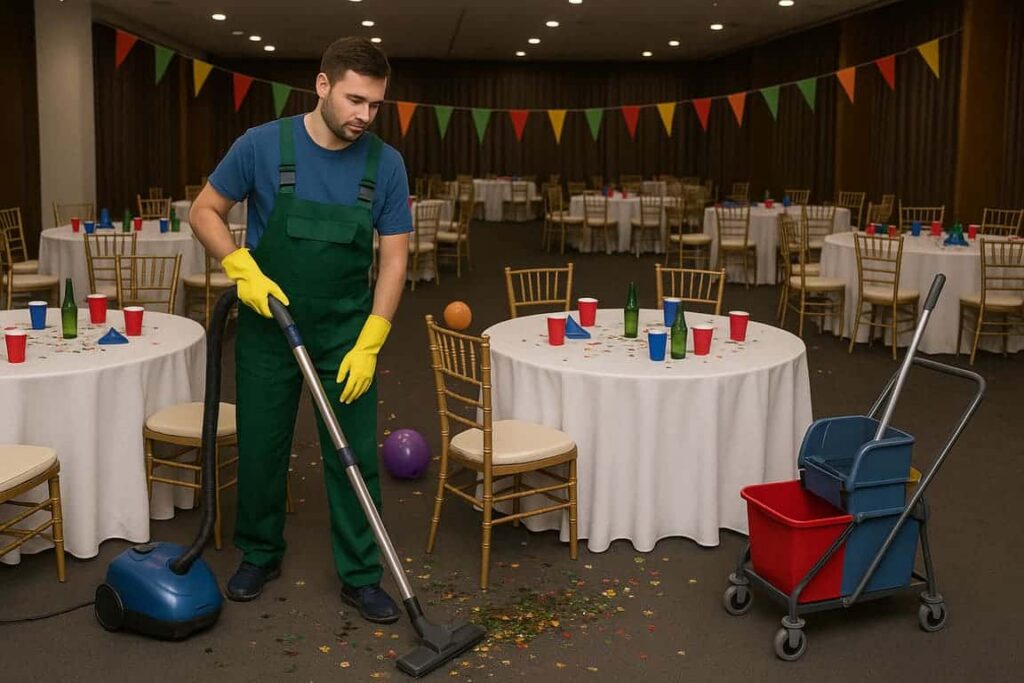
They tailor the plan to the layout, foot traffic patterns, and what the event will produce, such as confetti, grease, mud, or packaging waste. A conference needs different coverage than a wedding, a festival, or a corporate launch.
They often do a site walk-through to identify pain points like narrow corridors, limited loading access, sensitive flooring, or noise restrictions. From there, they decide staffing levels, cleaning windows, equipment needs, and where supplies can be staged without interfering with vendors or guests.
What supplies and equipment do they usually bring?
They bring professional-grade tools designed for speed and consistency, especially when a venue has a tight reset time. Many also bring backup supplies because restrooms and waste stations can burn through stock quickly.
Common items include commercial vacuums, mops and buckets, microfiber systems, disinfectants, glass cleaners, degreasers for food zones, odor control, and floor signs. For larger events, they may use carts, wheeled bins, backpack vacuums, and color-coded cloths to reduce cross-contamination between restrooms and public areas.
What happens during the event itself?
During the event, they focus on keeping the venue continuously presentable rather than “perfect.” The goal is to prevent problems like overflowing trash, unpleasant restrooms, sticky floors, and visible spills that can cause complaints or injuries.
They patrol high-traffic areas, tidy entry points, wipe tables and counters, and respond to spills quickly. They also maintain restrooms on a schedule, which usually includes disinfecting touchpoints, refilling soap and paper products, removing trash, and checking for plumbing issues, following event venue hygiene and sanitation management practices.
How do they handle spills, accidents, and urgent messes?
They treat urgent messes as a safety and reputation issue first, not just a cleaning issue. Teams typically prioritize liquids on floors, broken glass, and biohazards, then restore the area for use as quickly as possible.
Most crews follow clear escalation steps: isolate the area, place caution signage, remove the hazard, disinfect where needed, and dispose of waste correctly. If the issue involves bodily fluids or sharp waste, they may use specialized PPE and disposal methods, and they may notify the venue if additional remediation is required.
How do they coordinate with event staff and vendors?
They coordinate to avoid disrupting service and to keep pathways clear for guests and emergency access. Good teams stay “invisible” while still being responsive, which requires constant communication.
They often align with security, catering, bar staff, and venue operations on schedules and access points. For example, they may time restroom checks around peak breaks, clean food areas after rushes, and position waste pulls to avoid crowd bottlenecks.
What happens immediately after the event ends?
Right after the event, they shift from maintenance mode to reset mode. Their priority is to clear waste, remove visible debris, and restore the venue to an agreed baseline, often within hours.
They typically empty all bins, remove liners, and consolidate trash for hauling or venue pickup. Floors are vacuumed or swept, sticky spots are treated, and restrooms receive a heavier clean. If décor teardown creates extra debris, they adjust the plan so exits and loading zones remain safe using post-event cleaning and waste management practices.
What does post-event deep cleaning usually include?
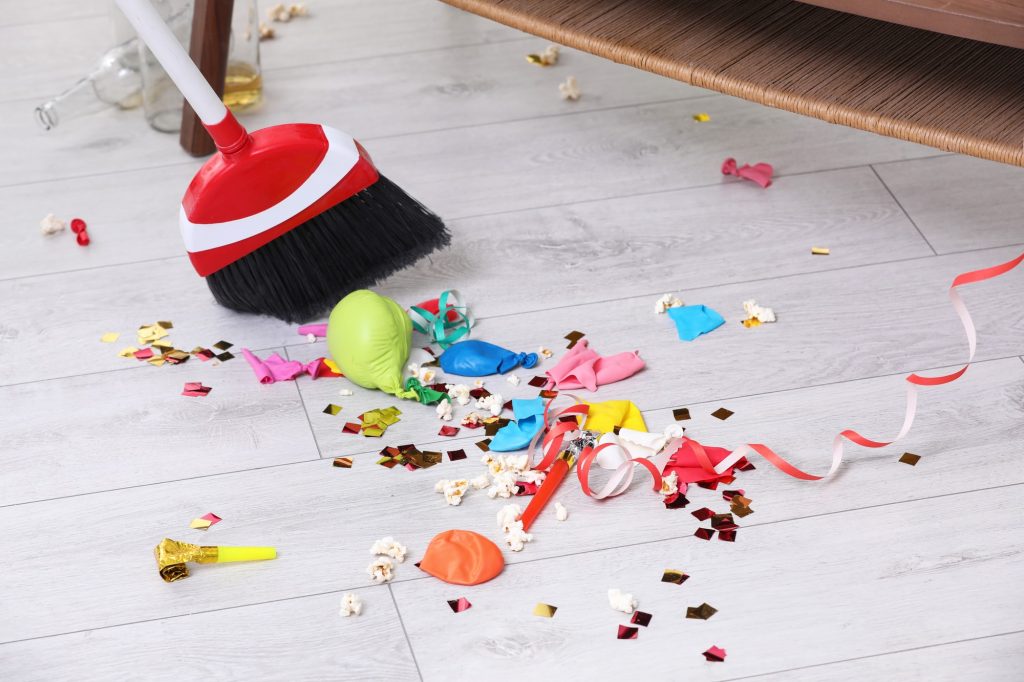
Post-event deep cleaning focuses on what routine pass-through cleaning cannot fully address. This is where they target stains, scuffs, odors, and the hidden buildup that can linger after large crowds. See car showroom cleaning and high-traffic surface maintenance practices for how frequent cleaning is applied in sales environments to maintain presentation standards.
It often includes detailed restroom sanitization, spot treatment on carpets, floor scrubbing or buffing where permitted, and wiping baseboards, ledges, and touchpoints. In food and beverage zones, they may degrease surfaces and address spill residue that could attract pests if left behind.
How do they handle waste, recycling, and sustainability requirements?
They follow venue rules and local regulations, then match the organizer’s sustainability goals when those are specified in advance. The biggest factor is whether the event has a real sorting plan or only a “best effort” approach.
They may set up separate streams for landfill, recycling, and compost, then monitor contamination during the event. Afterward, they consolidate and label loads and move them to designated collection points. If sustainability reporting matters, they may track bag counts or bin volumes, depending on the contract.
What should organizers clarify before booking an event cleaning team?
They should clarify scope, timing, and responsibility boundaries so nothing falls through the cracks. Many disappointments come from vague expectations, not poor cleaning.
Key details include the event schedule, guest count, alcohol and food service, outdoor areas, backstage or green rooms, and whether teardown cleaning is included. They should also confirm who supplies consumables, where waste is staged, what “clean” means for the venue handback, and any penalties tied to delays or damage.

How can they tell if they hired the right service?
They can usually tell by how clearly the team communicates before the event and how smoothly they operate during it. Strong providers ask precise questions, provide a written checklist, and plan staffing around peak traffic.
On-site, the best sign is consistency: restrooms stay stocked, trash does not overflow, and spill response is fast. Afterward, a reliable team delivers a predictable handback, with any issues documented and shared promptly so the organizer is not surprised later.
FAQs (Frequently Asked Questions)
What are the main phases of event cleaning services?
Event cleaning services typically operate in three key phases: pre-event setup cleaning to prepare the venue, on-site cleaning during the event to maintain cleanliness and safety, and post-event teardown plus deep cleaning to restore the venue to its original condition.
How do event cleaning teams customize their approach for different venues and event types?
Cleaning teams tailor their plans based on the venue layout, expected foot traffic, type of waste generated (like confetti or grease), and specific event needs such as conferences, weddings, or festivals. They conduct site walk-throughs to identify challenges like narrow corridors or noise restrictions and adjust staffing levels, equipment, and supply staging accordingly.
What supplies and equipment are commonly used by professional event cleaners?
Professional event cleaners bring commercial-grade tools designed for efficiency and thoroughness. Common equipment includes vacuums, mops, microfiber cloths, disinfectants, glass cleaners, degreasers for food areas, odor control products, floor signs, carts or wheeled bins for large events, backpack vacuums, and color-coded cloths to prevent cross-contamination.
How do event cleaning services handle urgent spills and accidents during an event?
Urgent messes are treated as both safety and reputation concerns. Teams quickly isolate the area with caution signage, remove hazards like liquids or broken glass promptly, disinfect affected surfaces as needed, and dispose of waste correctly. For biohazards or sharp objects, specialized PPE and disposal methods are used with possible notification to venue management.
What responsibilities do event cleaners have immediately after an event concludes?
Post-event responsibilities include shifting from maintenance to reset mode by clearing all waste and visible debris swiftly. This involves emptying bins, removing liners, consolidating trash for pickup, vacuuming or sweeping floors, treating sticky spots, performing heavier restroom cleans, and managing any additional debris from décor teardown while ensuring safe exits and loading zones.
How can organizers ensure they hire the right event cleaning service?
Organizers should look for clear communication before the event with precise questions asked by the team and a written checklist provided. During the event, consistent performance such as stocked restrooms, controlled trash levels, and quick spill responses indicates reliability. Afterward, a predictable handback with documented issues shared promptly confirms a quality service provider.